Limitare la ricerca con filtro

Hose reels, cable reels and hydraulic hose reels

44 years of expertise in hose reel solutions for industrial and commercial applications

We are the experts with 44 years of experience in manufacturing hydraulic hose reels, cable reels, hose-cable reels, and hose reels for energy supply applications and for automatic hose winding and unwinding.

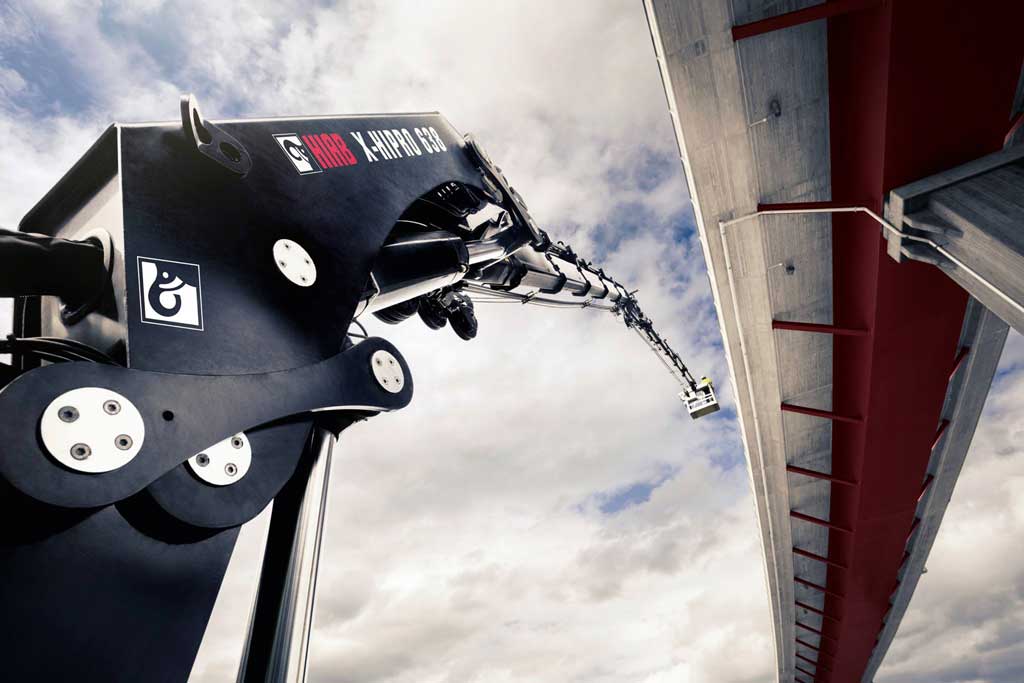
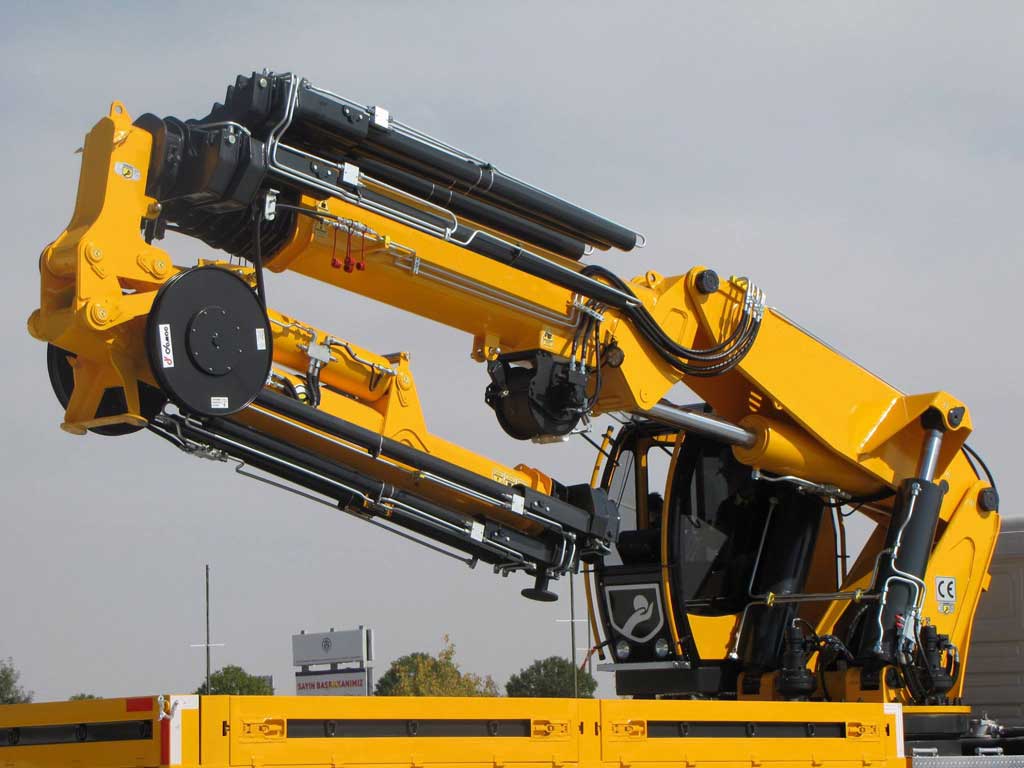
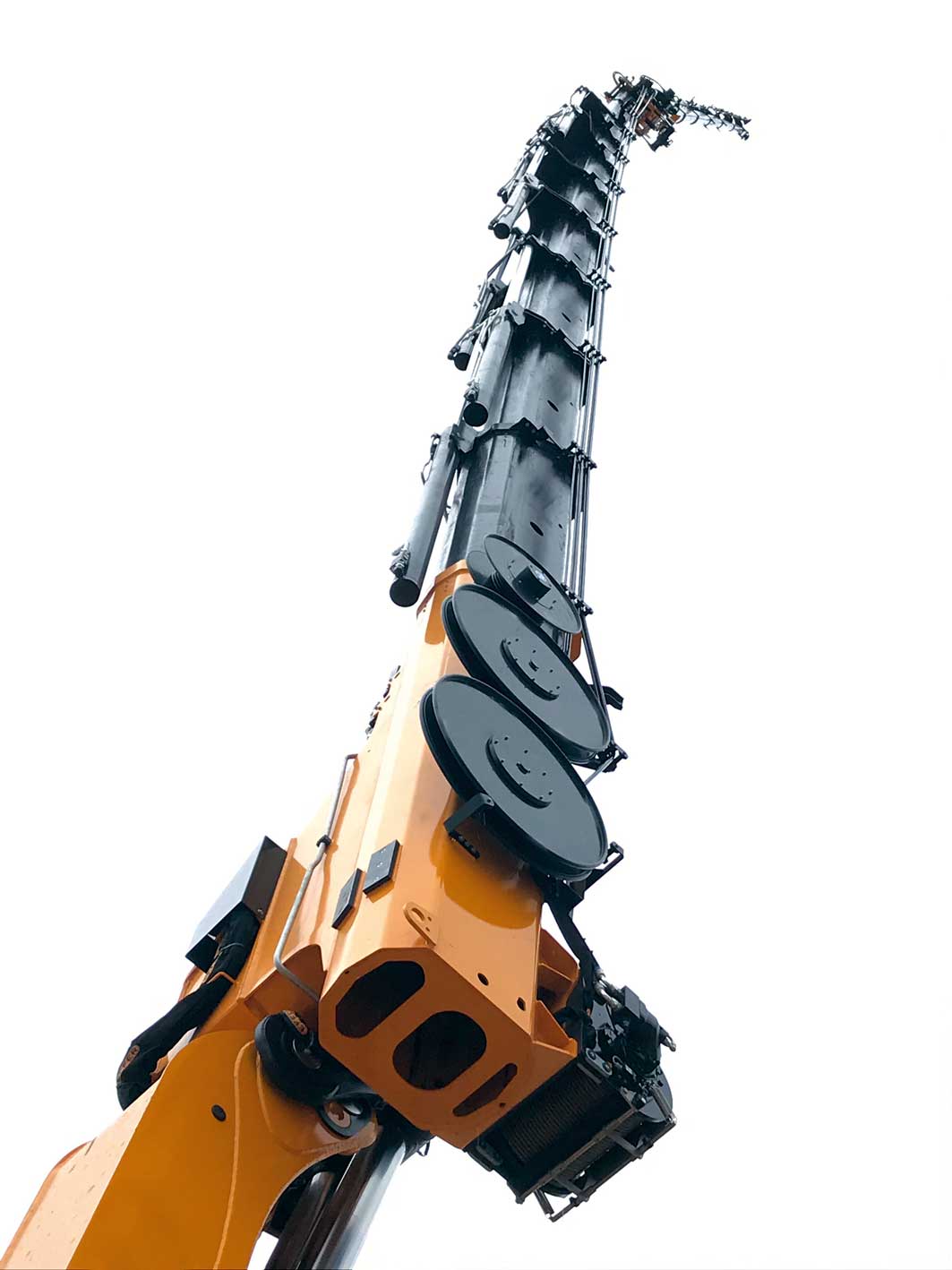
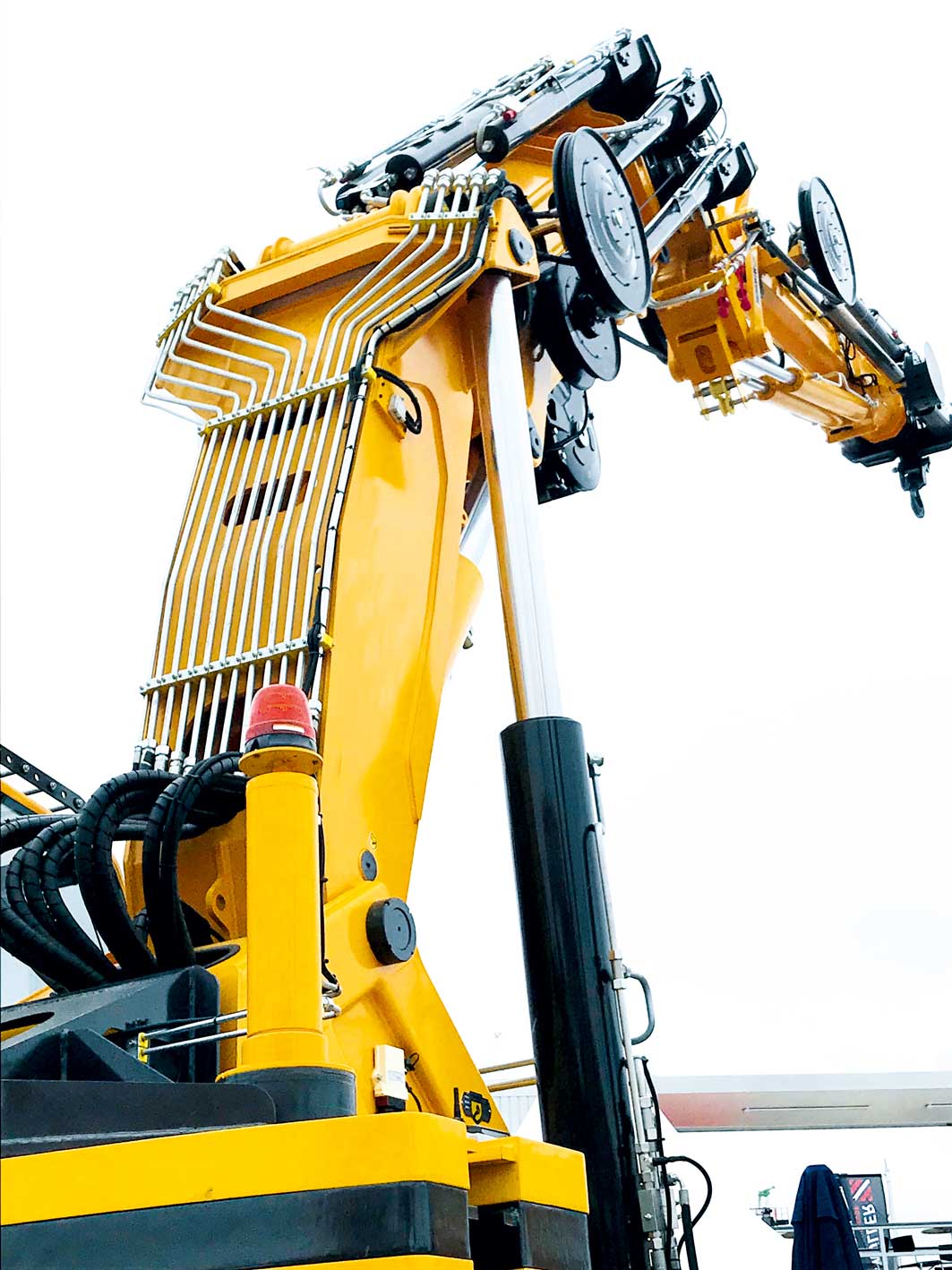
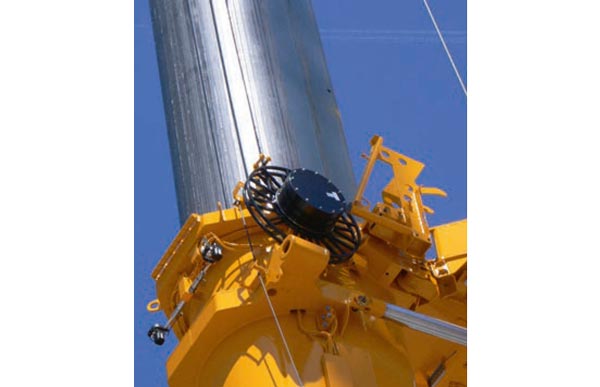
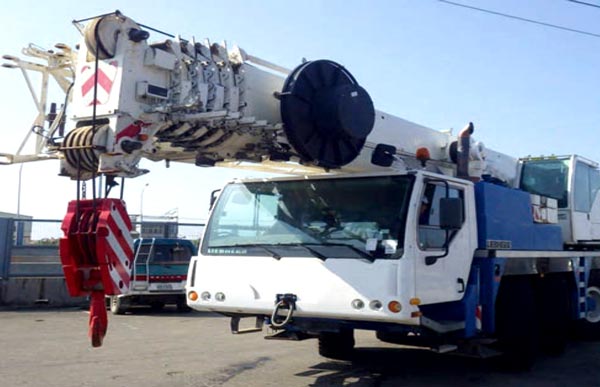
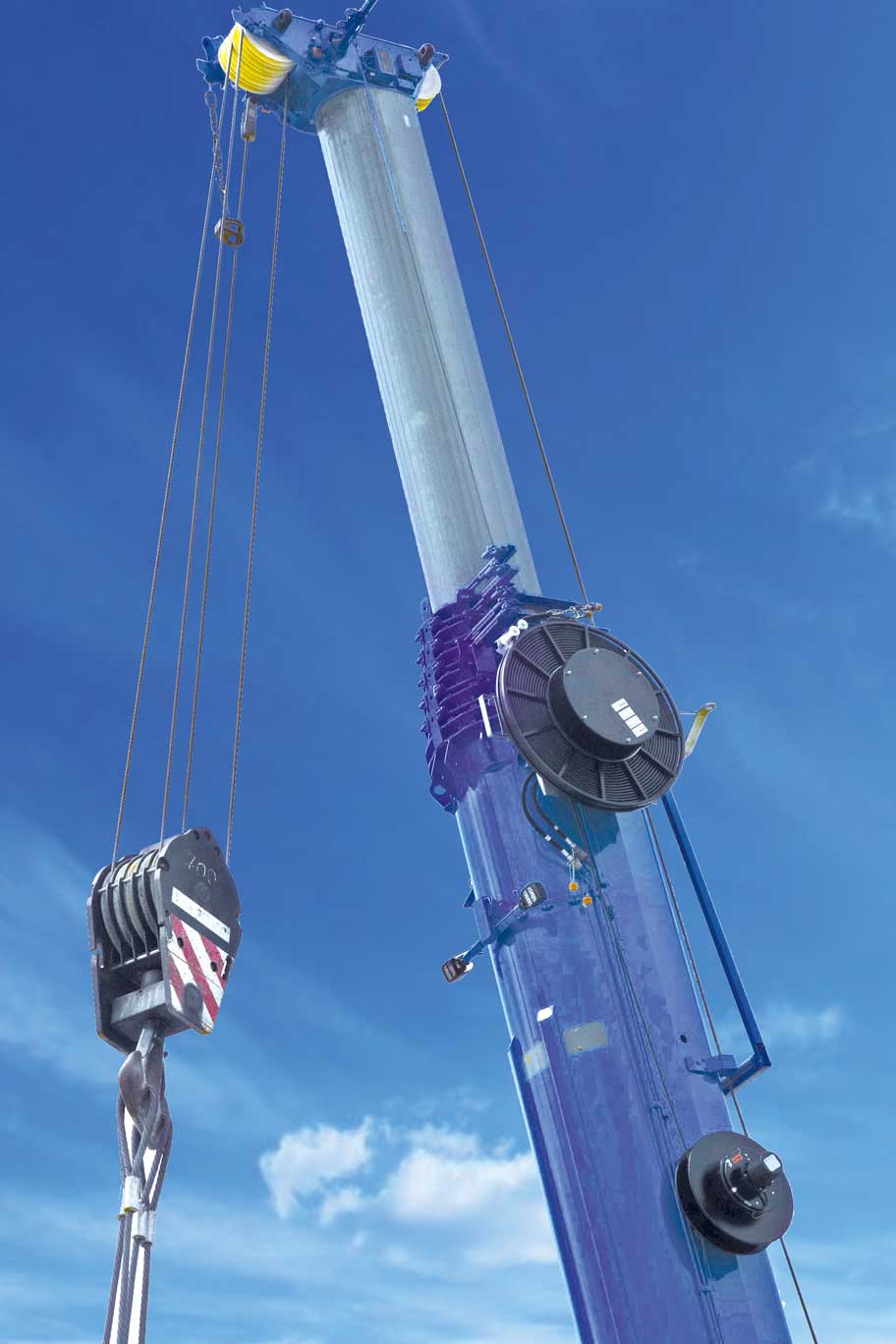
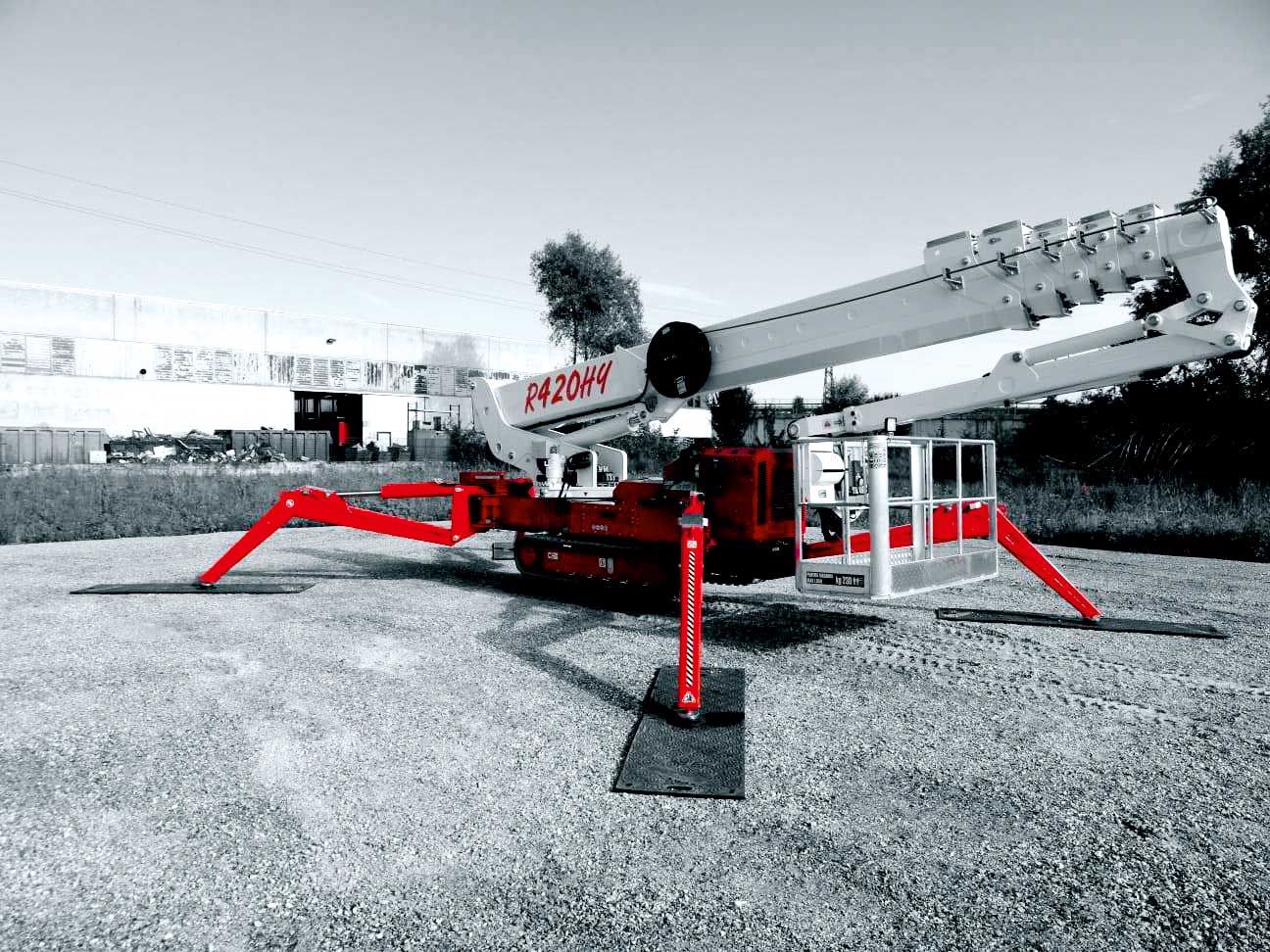
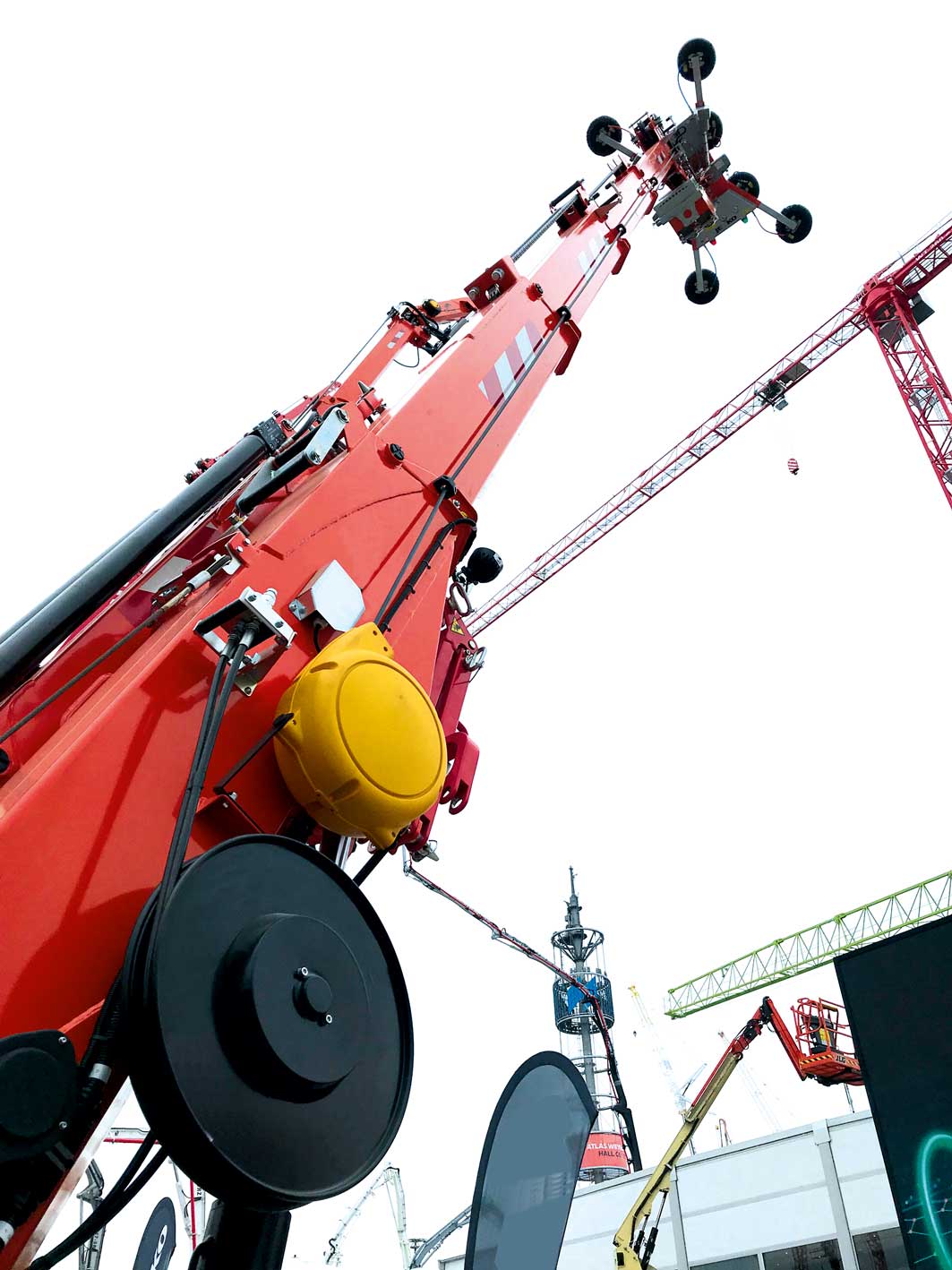
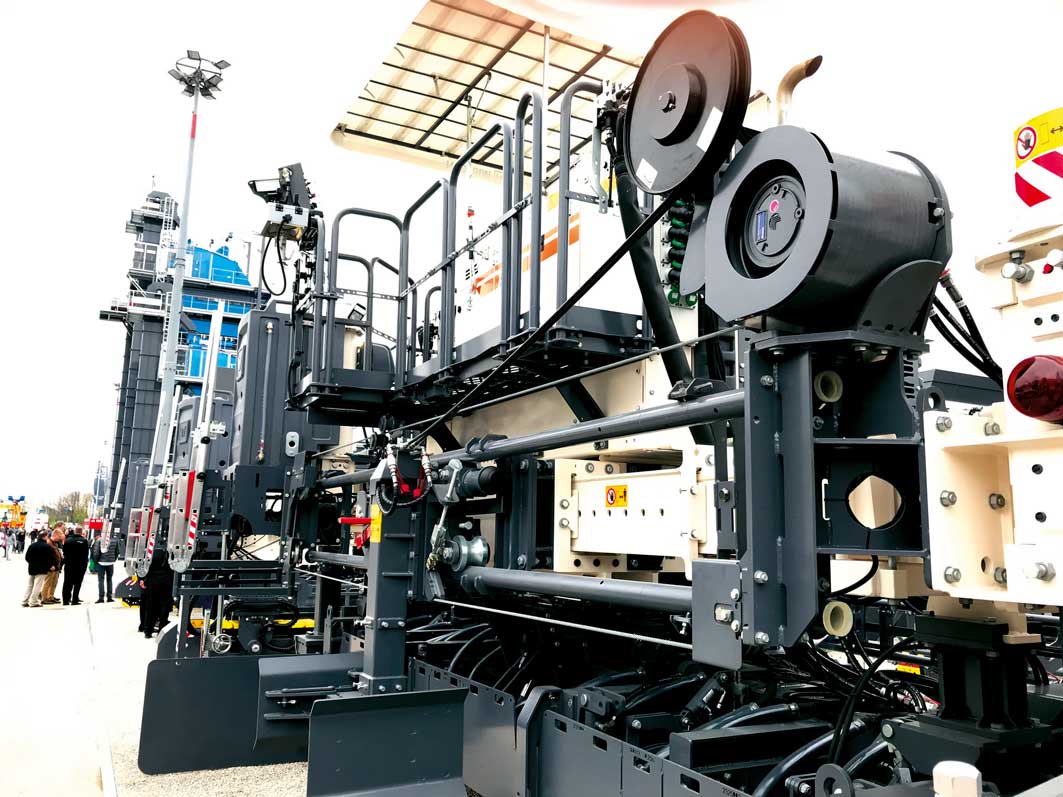
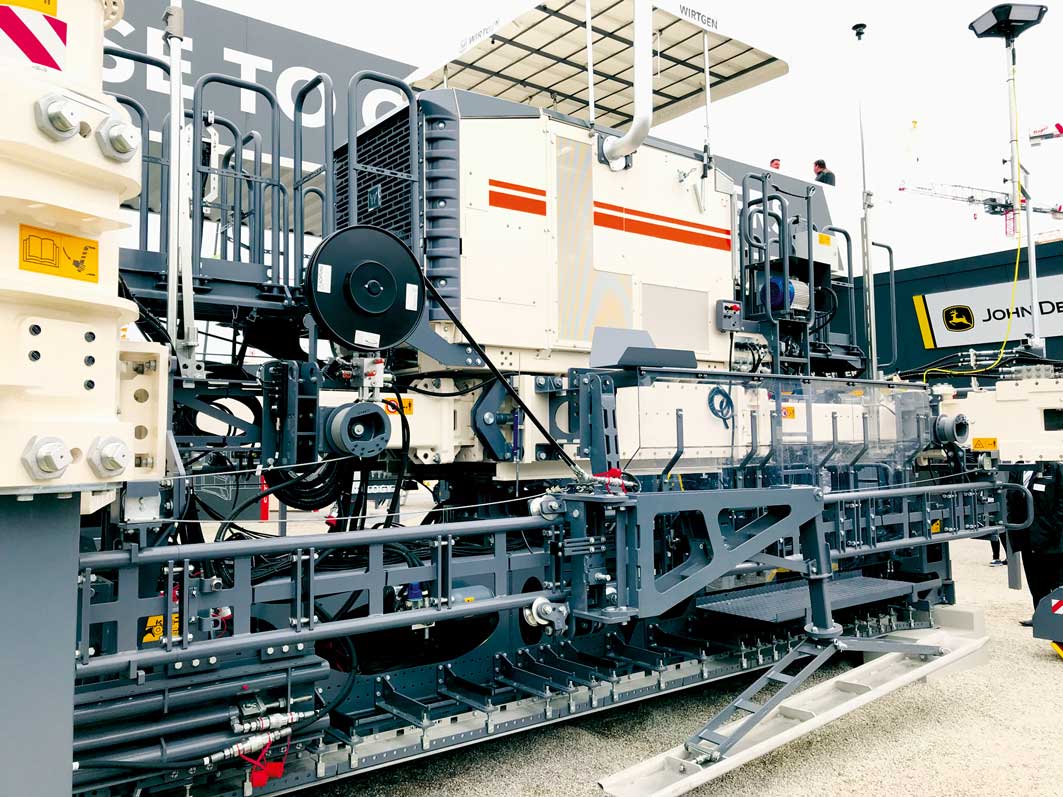
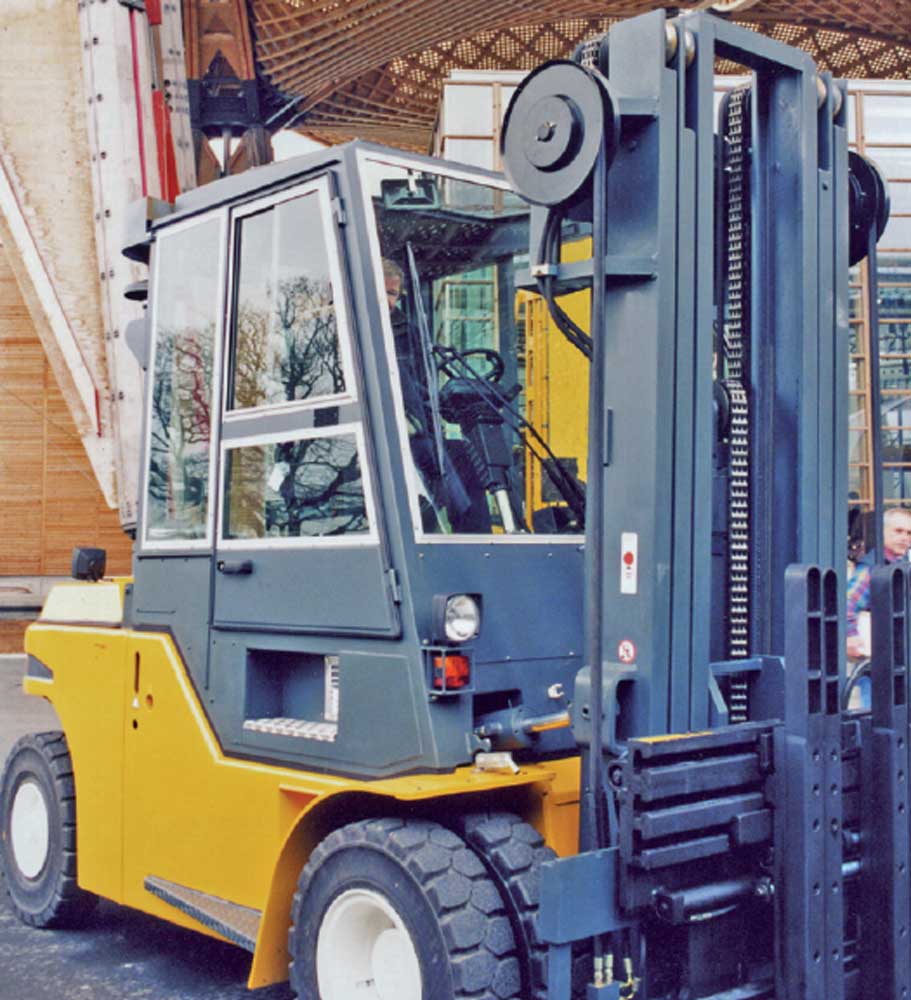
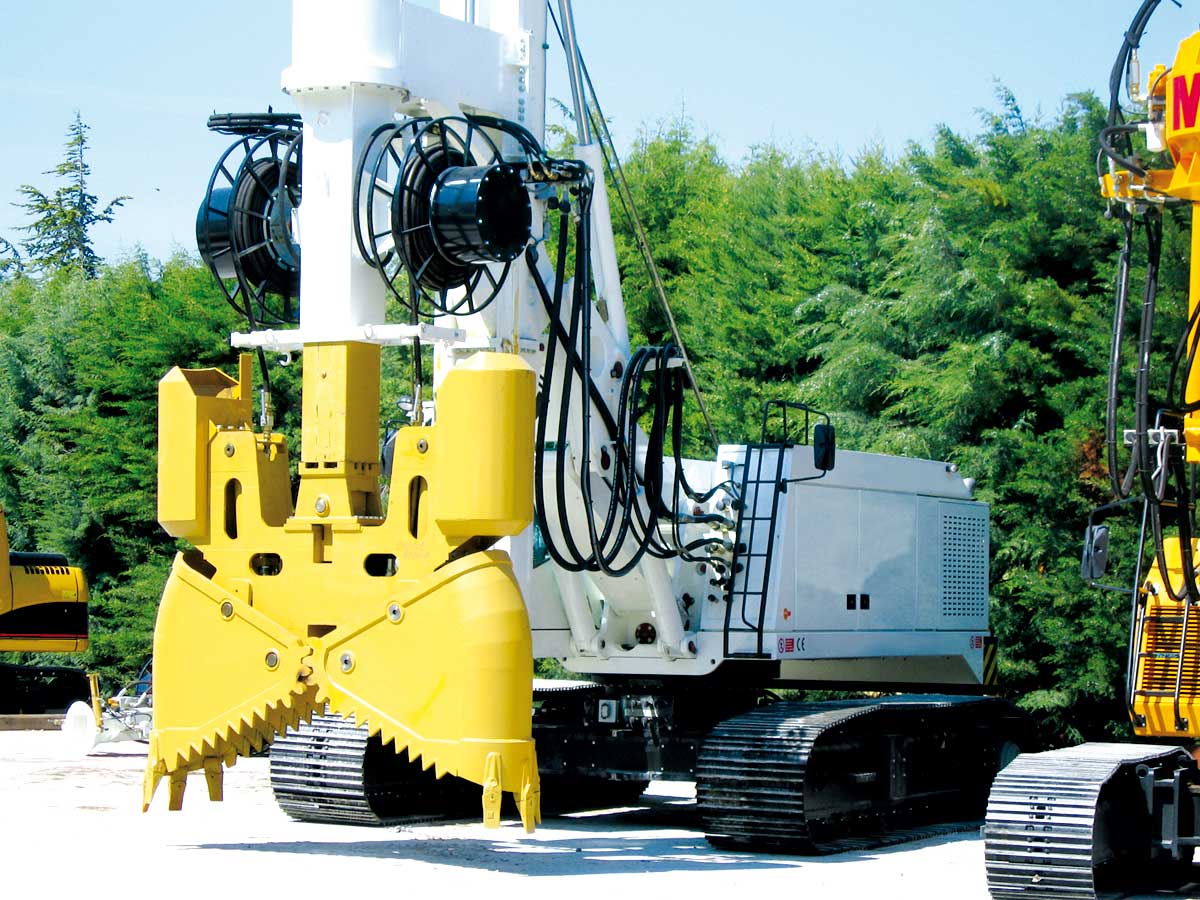
WINKEL hose reels are highly versatile and used wherever moving equipment need to be reliably supplied with electricity, air, water, or oil via cable lines, hydraulic hoses, or pneumatic lines — for example in construction machinery, forklifts, telescopic cranes, aerial work platforms, or production systems.

Our high-quality spring reels, spring cable reels, hose reels, and hydraulic hose reels automatically wind cable lines, hose lines, and combined hose-cable lines using spiral springs, ensuring a safe and ready-to-use supply of media and energy at all times.

3000 configuration options for cable and hose reels

With over 500 base models to choose from, we offer more than 3,000 unique combinations of cable and hose reels — customized to meet your exact requirements.

Our products are built for flexibility, reliability, and long-term performance. All rotary unions for air, water, and hydraulic oil are engineered for operating pressures up to 300 bar as standard — and up to 700 bar for special applications.

Innovative hydraulic connections allow for more compact outer diameters while maximizing usable hose length. Our product range also includes custom-built hose reels and a wide selection of accessories, such as diverter blocks for hydraulic hose lines, Crocodile-style hose guides, and standard hose guide systems.

Configure your hydraulic hose reel in just a few steps

Use our hose reel configurator to quickly and easily design your ideal hose or hydraulic reel — step by step.

Need something special? We’re happy to work with you to create a custom solution that fits your needs and budget.

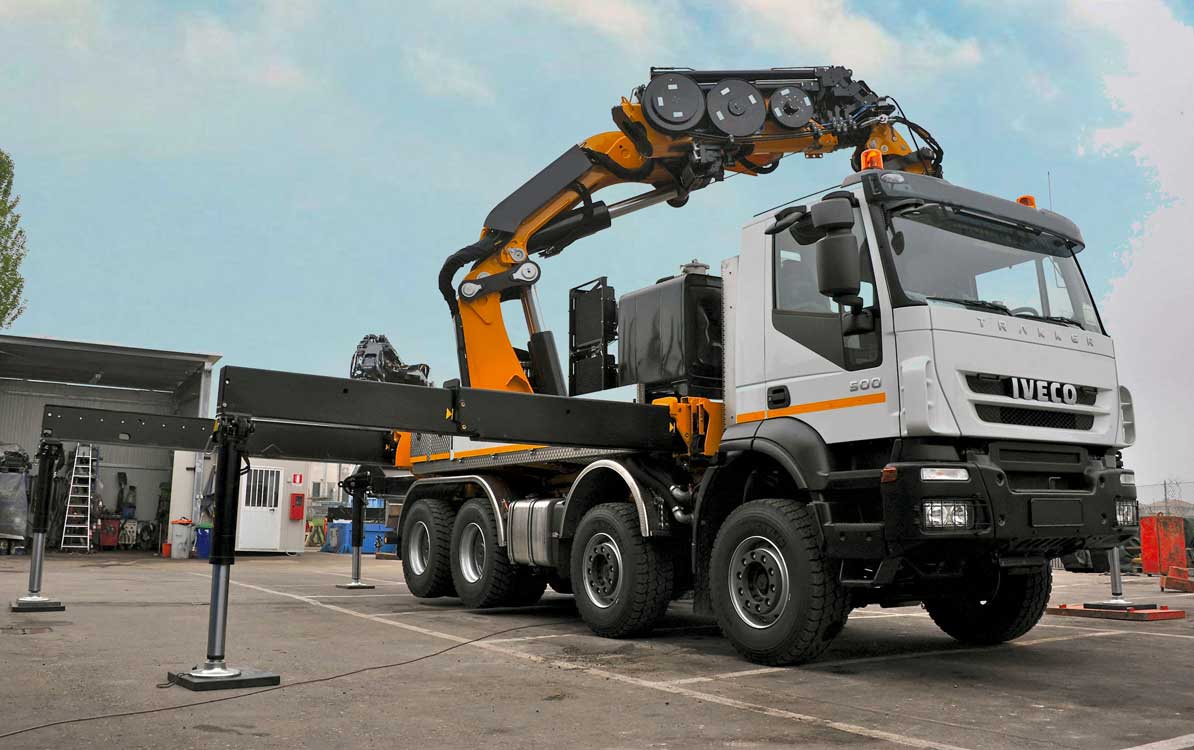
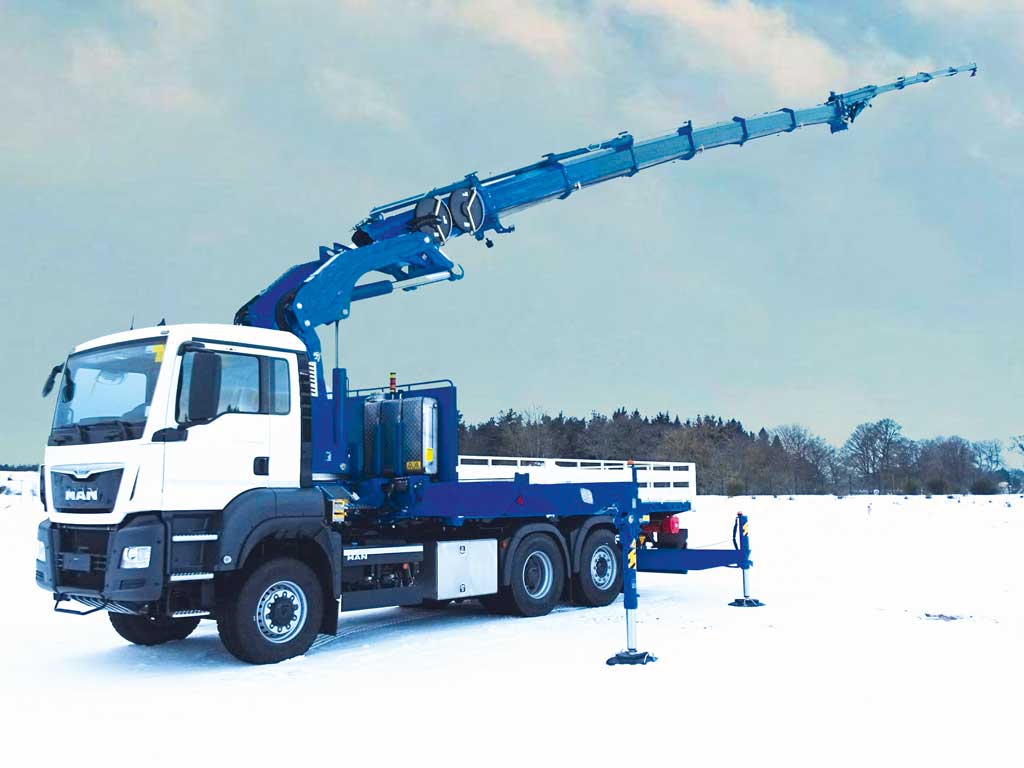
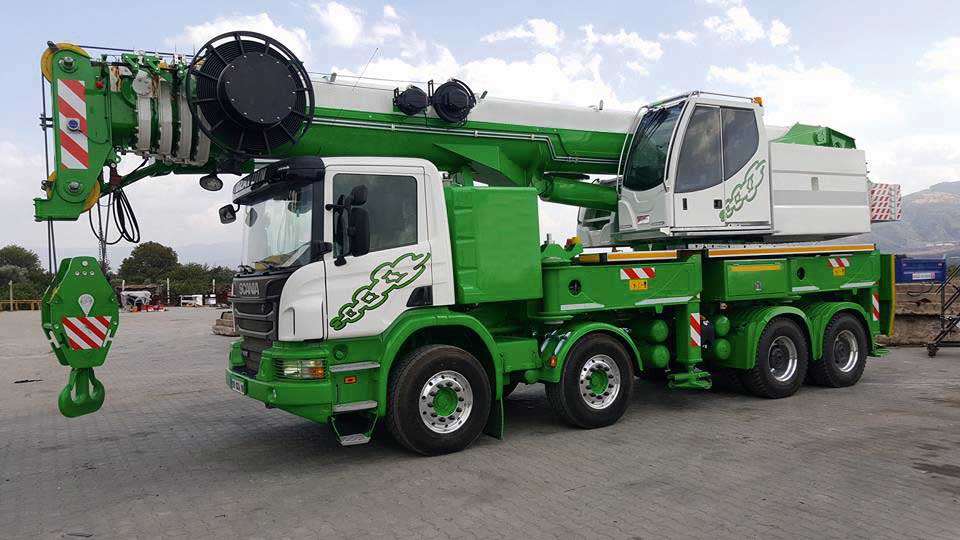
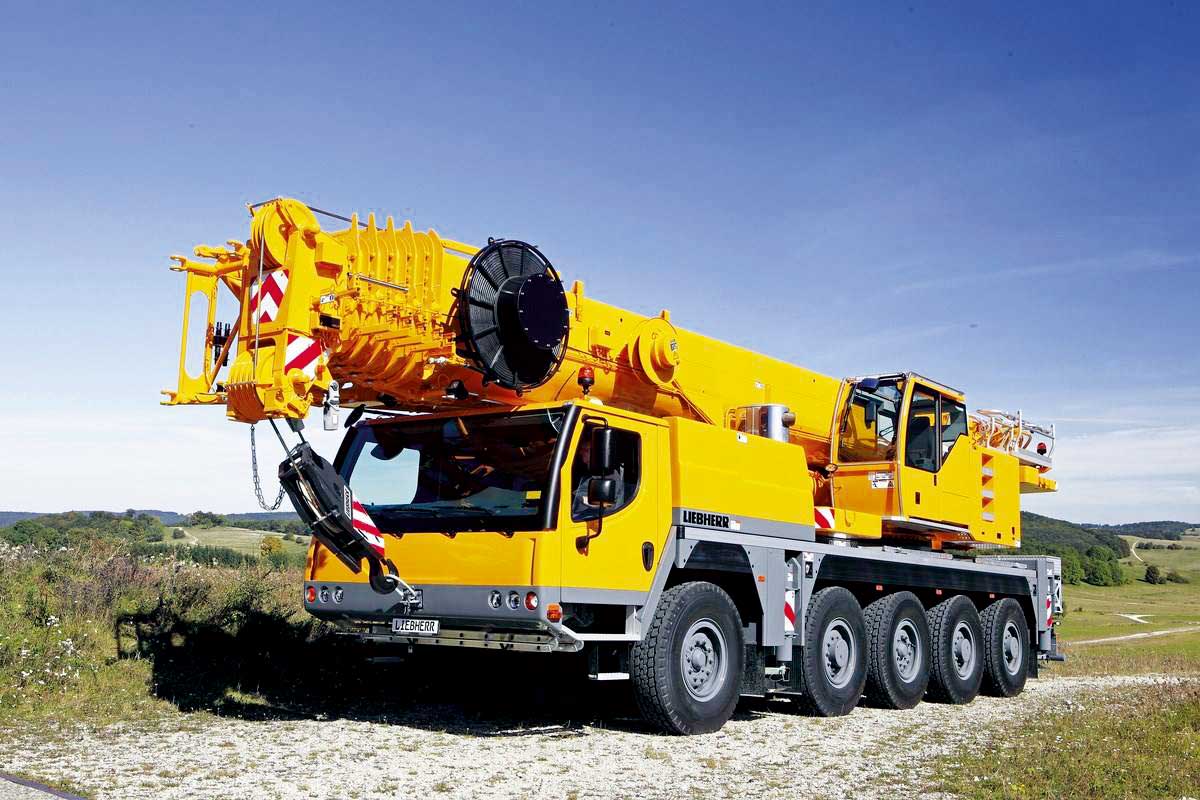
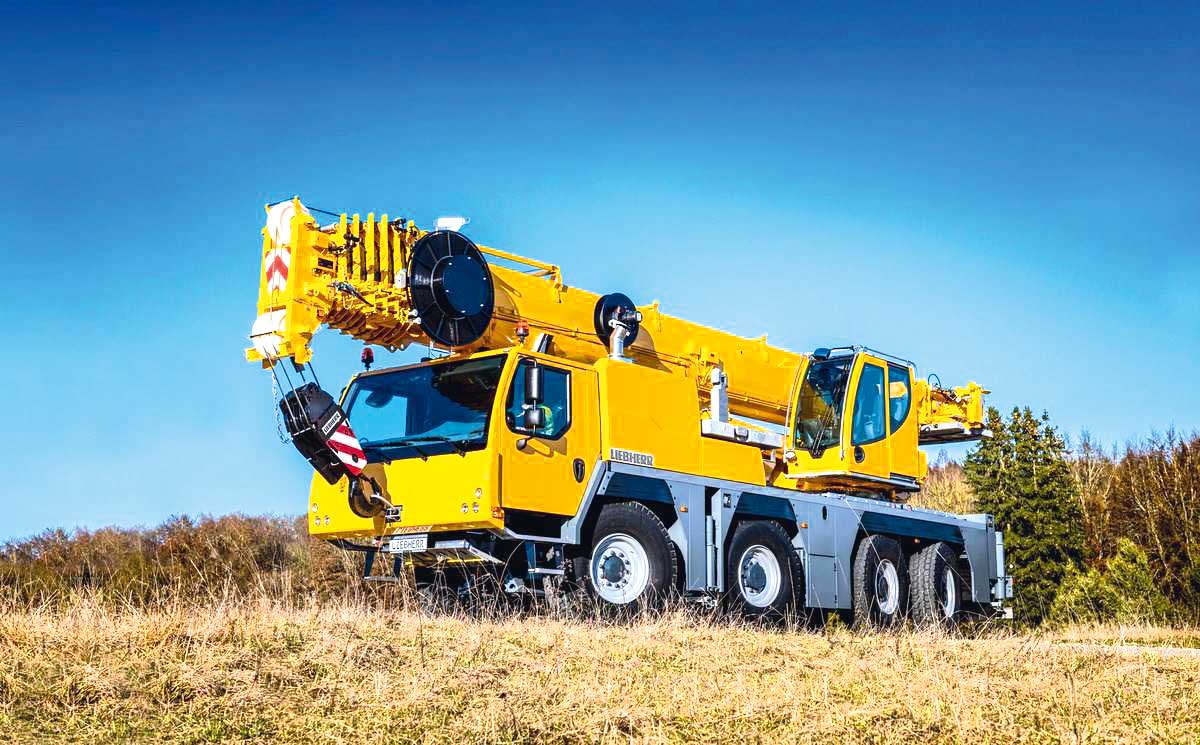
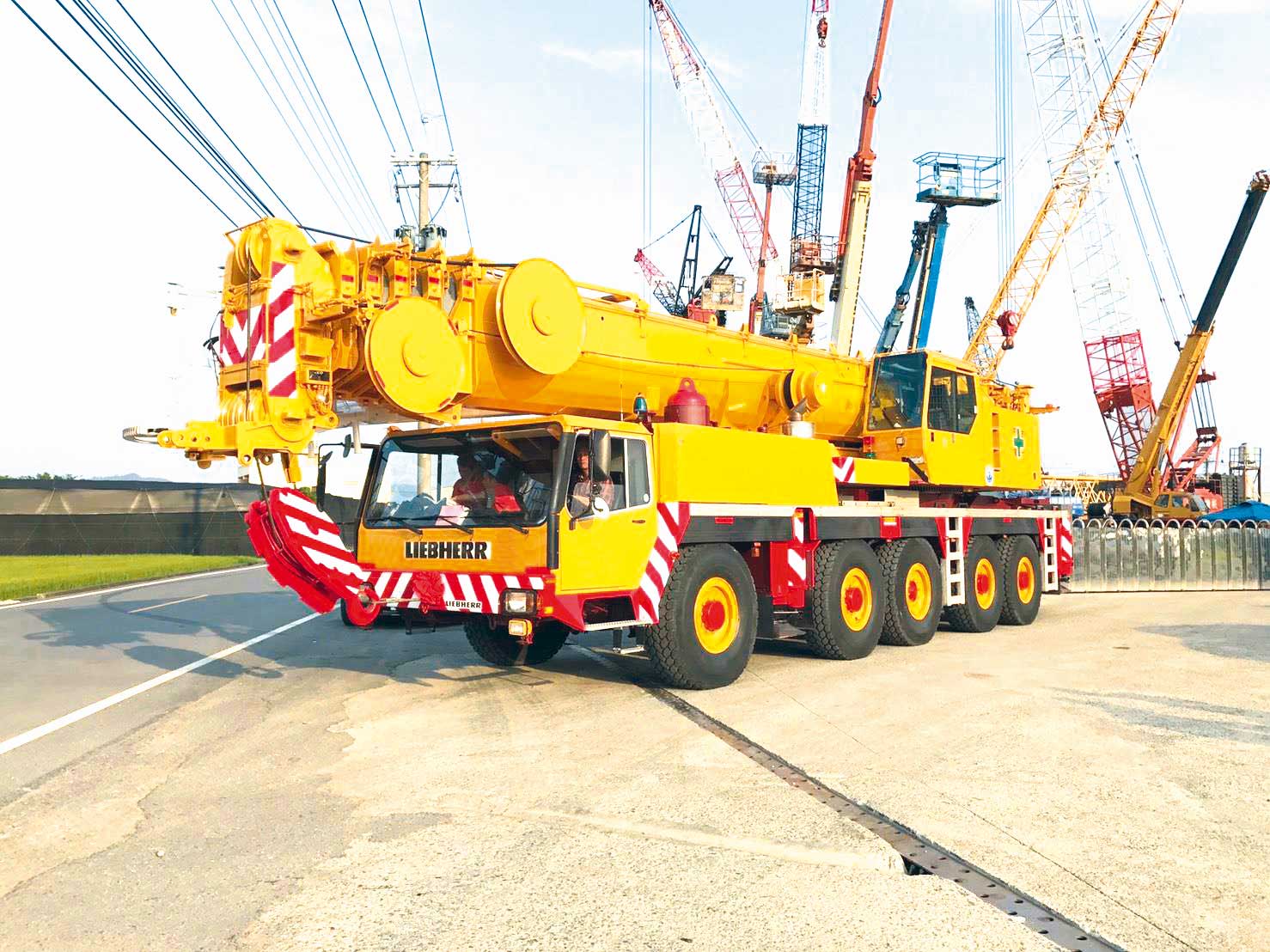
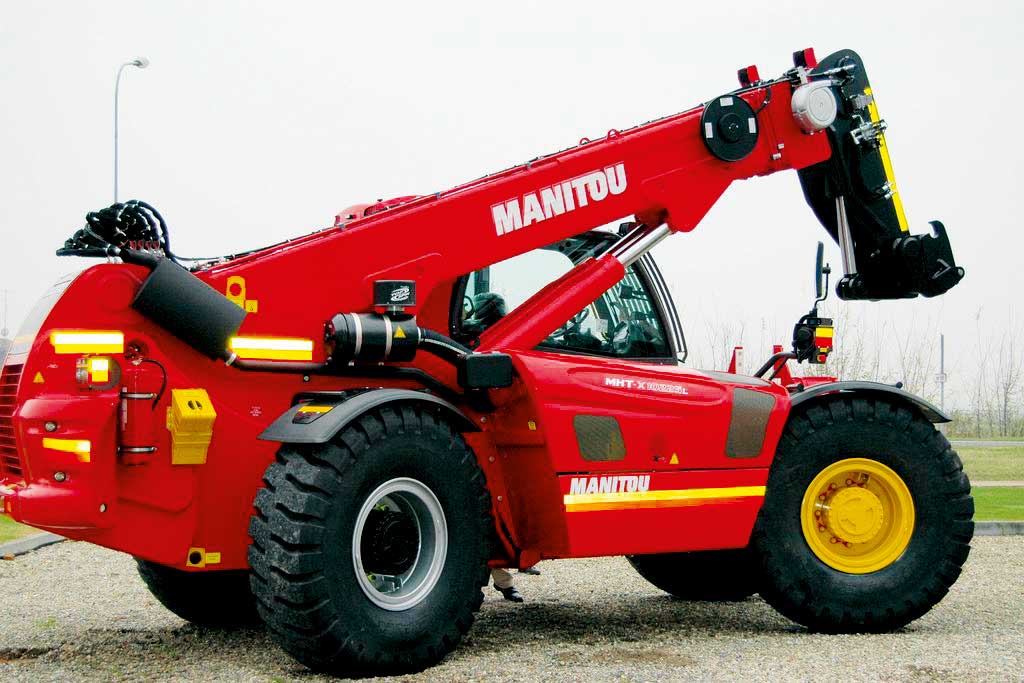
Truck-mounted telescopic crane
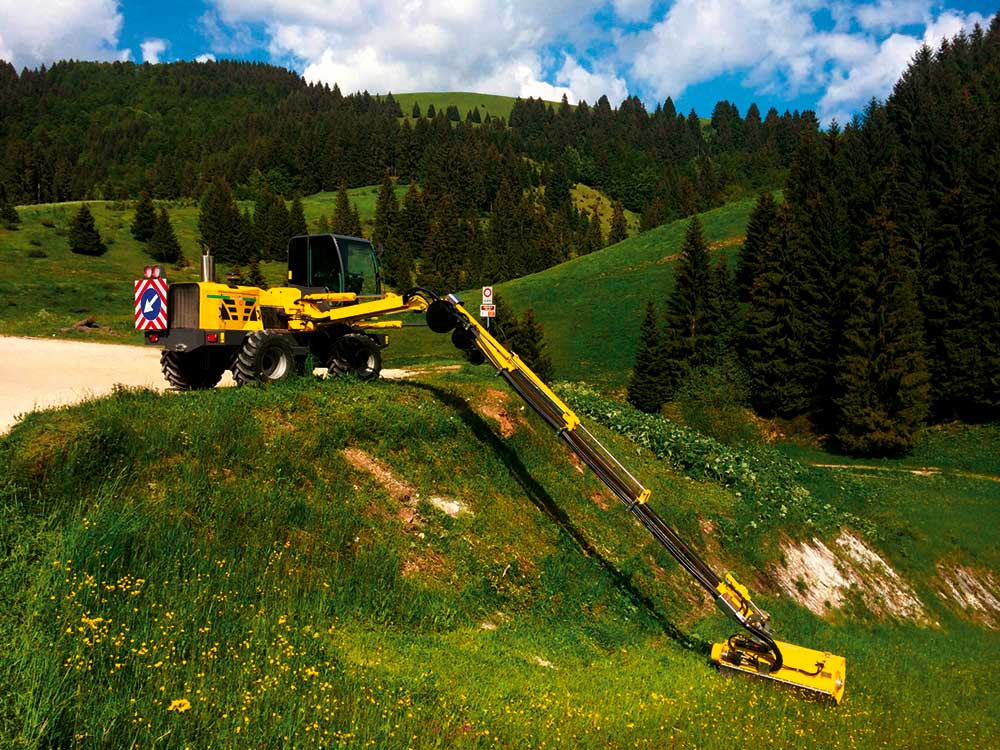
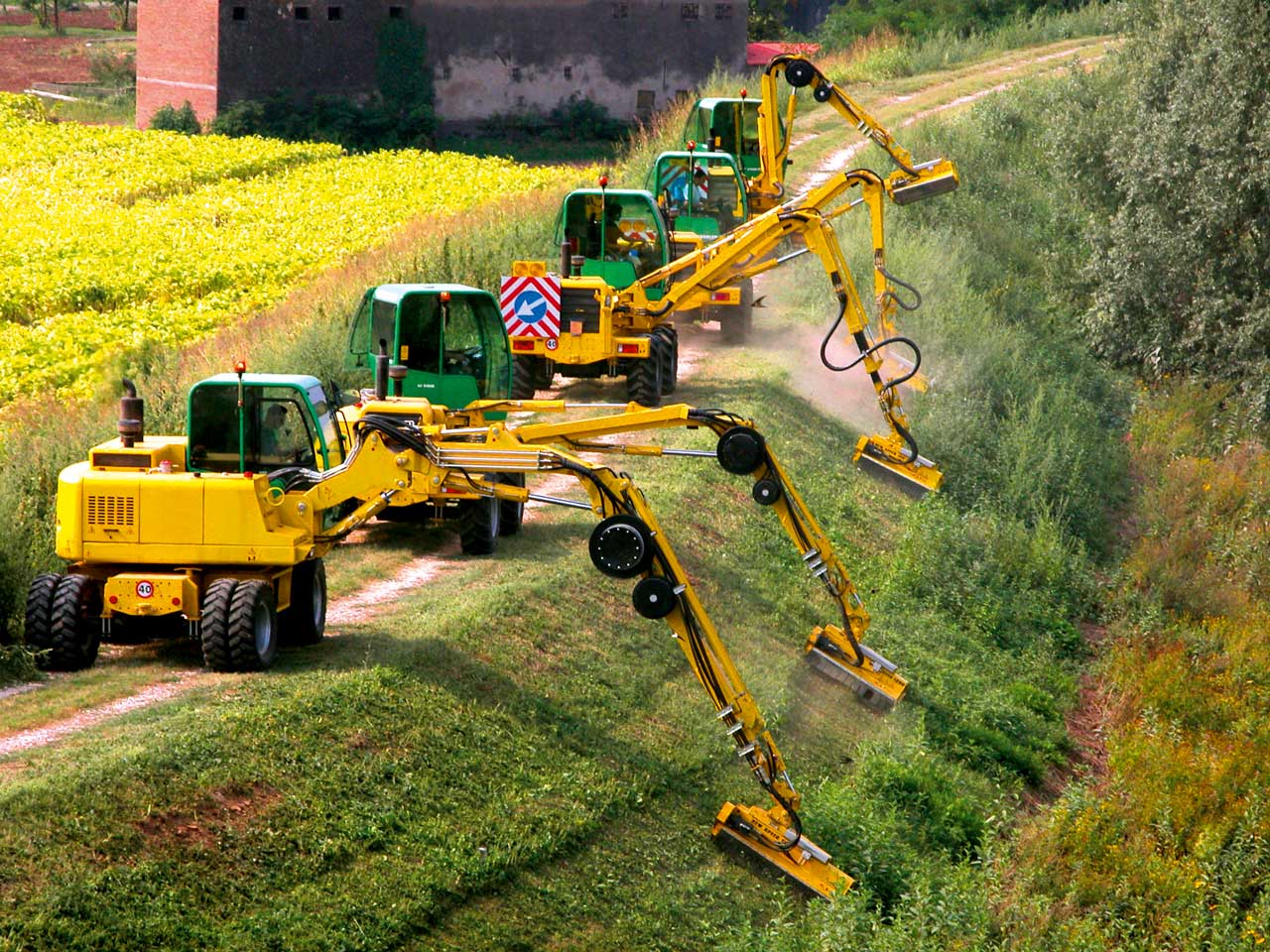
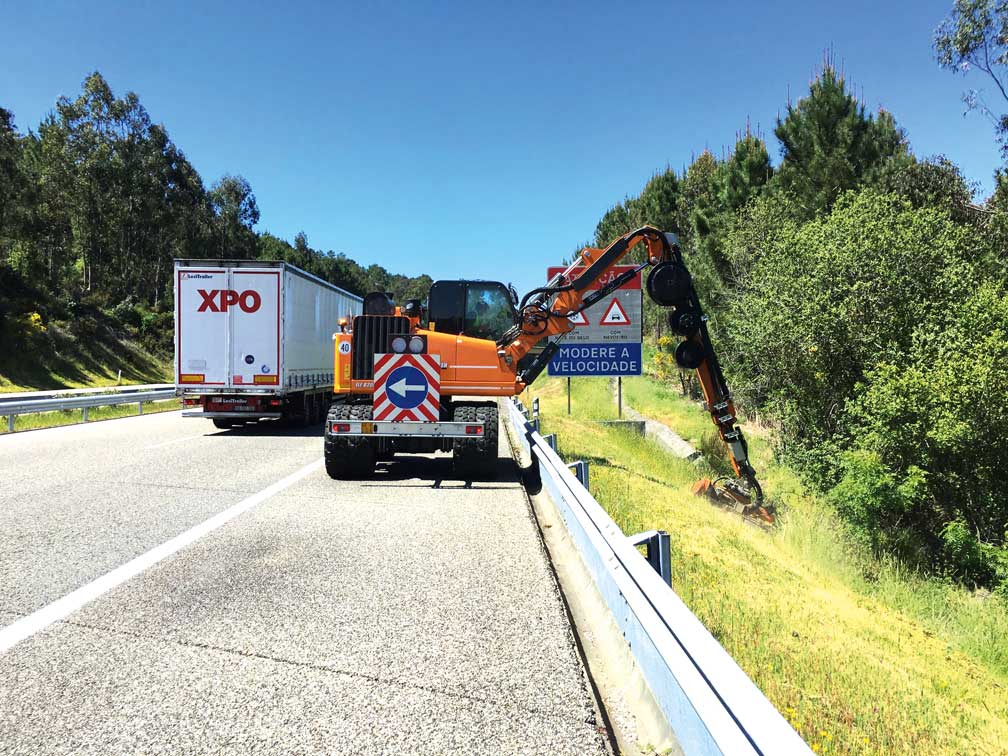
Sondermaschine für Landschaftspflege
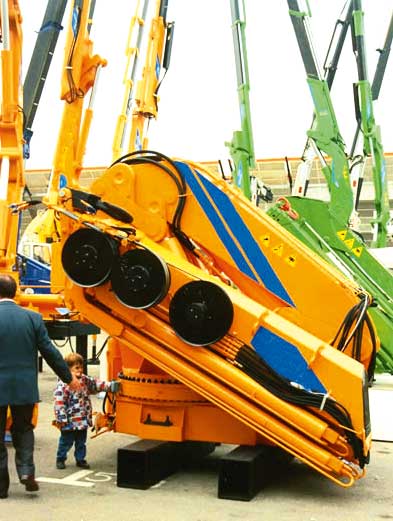
Custom machinery for landscaping and terrain development
Flexibility and reliability

Hydraulic hose reels, cable reels, and combined hose-cable reels

All benefits at a glance:
  • Versatile: Our cable and hose reels can be used in construction machinery, forklifts, telescopic cranes, working platforms and manufacturing plants in most industries - even offshore.
  • Different types of hoses: Among other things, we use thermoplastic welded hoses for our products, which are resistant to tension and impulse. Double hoses of this type are homogeneously connected over the entire length. In our portfolio we have hoses in different lengths and nominal diameters.
  • Difficult environments: Even difficult environments are no problem for our products. It is possible to design them for working temperatures from -40 to +80 °C.
  • Special spring drums: Special spiral springs with a long service life work in our spring drums, installed in a protected spring housing. These spring assemblies can be replaced quickly and safely.
  • Durable sealing system: A double sealing ring system protects the rotary joints from damage and dirt. The seal set is very durable thanks to its special choice of materials. However, it can be easily replaced if necessary. The spare parts supply for the sealing ring system as well as for all other parts of the drums is guaranteed for many years.
  • High working pressures: Working pressures up to 700 bar are possible with our reliable products.
  • Useful detailed solutions: You can change the direction of rotation of the W1 R/L, W2 R/L, W3 R/L, W4 R/L model series quickly and easily without dismantling the hydraulic unit. On hose reels for several hoses, a centre bar separates the individual hoses or hose pairs. This centre bar also prevents several hoses from getting tangled.


Automatic hose retraction and payout systems for industry and trade

Automatic hose rewinders and unwinders play a vital role in industrial and commercial environments. They not only help maintain a clean and safe workspace but also improve efficiency when using hoses for a wide range of applications. These devices are designed to reduce manual handling and streamline workflows.

Spring-retractable hose reels are ideal for situations where speed and convenience are essential. Thanks to the built-in spring mechanism, the hose rewinds automatically and evenly after use. This prevents tangling or twisting and extends the hose’s service life by protecting it from wear and damage.

Automatic hose reels offer a flexible solution for both mobile use and fixed installations. They’re especially useful in workshops, construction sites, or production facilities where hoses are frequently used across longer distances. Rewinding is triggered by a simple pull on the hose, releasing a lock and allowing for smooth automatic retraction.

To ensure optimal performance and safety, it's important to connect these hose reels with a supply hose that’s appropriate for the specific application. This guarantees proper winding and unwinding without damage or loss of performance.

The key benefits of automatic hose rewinders and unwinders include:

  1. Improved workplace safety: Proper hose storage minimizes tripping hazards, significantly reducing the risk of accidents and injuries — creating a safer work environment.

  2. Increased productivity: Less time is spent winding and unwinding hoses, allowing employees to focus on other tasks — resulting in overall higher efficiency.

  3. Extended hose life: Gentle handling through automatic retraction reduces wear and prolongs hose service life, lowering replacement costs and minimizing waste.

  4. Flexibility and mobility: Whether mounted permanently or used portably, these hose reels adapt to various work environments — delivering performance exactly where it’s needed.

Conclusion: By implementing automatic hose unwinders and retractable hose reels, businesses can benefit from safer, more efficient operations and achieve long-term cost savings.

Industrial hose reel use cases

The range of applications for hose reels in industrial and commercial settings is extensive — from warehouse logistics and mobile excavators in the construction industry, to forklifts, telescopic cranes, aerial work platforms, and specialized equipment for landscape maintenance, all the way to fire trucks equipped with mobile hose reel systems. Depending on specific application requirements and design, the reels can be powered electrically, hydraulically, or by spring force.

FAQs
Spring Hose Reels and Hose-Cable Reels

Troubleshooting: What to do if the hose reel spring is not working properly

  1. Check for obstructions: Make sure there are no kinks, dirt, or debris in the hose or reel housing that could block movement.
  2. Gently pull and release the hose: Sometimes the locking mechanism is simply stuck. Apply a gentle pull and let go to see if the reel responds.
  3. Inspect spring tension: If the reel doesn’t retract at all, the spring may have lost tension or become detached internally.
  4. Do not force it: Forcing the reel can cause permanent damage. If you're unsure, contact support or a qualified technician.
  5. Refer to the manual: Most hose reels come with a maintenance guide that shows how to safely access or adjust the spring unit.
  6. Helpful tip: This system works similarly to the seat belt mechanism in a car — pull gently to unlock, and it retracts automatically.

If the issue persists, please contact our technical support for assistance or replacement parts.

How do I maintain the slip ring assembly in a spring cable reel?

The slip ring assembly ensures the electrical connection between the rotating drum body and the stationary mounting flange. Regular maintenance helps to extend the service life and ensures safe operation.

Recommended maintenance tips:

  • Visual inspection: Check the slip ring and brushes for visible wear, corrosion, or contamination. Replace worn brushes if necessary.
  • Cleaning: Use a dry, lint-free cloth to remove dust and debris. For heavy contamination, use a contact cleaner that is safe for electrical components.
  • Lubrication: Most slip rings are designed to operate dry. Do not apply lubricants unless specified in the product manual.
  • Check brush tension: Make sure the brushes are applying consistent pressure on the contact surfaces. Uneven tension can lead to poor conductivity.
  • Secure connections: Inspect terminals and wires for looseness or damage. Tighten connections and replace damaged wiring if needed.
  • Follow maintenance intervals: Perform inspection and cleaning at regular intervals depending on usage frequency and environmental conditions (e.g. dust, moisture, chemicals).

If you are unsure or require replacement parts, please contact our technical support team.

Important note beforehand:

  • If you are unsure about replacing the spring, contact a professional technician or the reel manufacturer for support.
  • Keep all manuals and manufacturer instructions for future maintenance or reference.

Steps to replace the spring:

  1. Gain access to the spring: Open the housing of the spring cable reel to access the internal spring. Depending on the model, this may require removing screws or bolts.
  2. Release spring tension: If the broken spring is still under tension, it must be carefully released. Warning: Risk of injury! Some models include a built-in mechanism for safe tension release.
  3. Remove the damaged spring: Loosen and remove all fasteners holding the spring in place. Take photos or notes to document the correct positioning for reinstallation.
  4. Install the new spring: Insert the new spring in the same position as the old one. Make sure it is properly aligned and can move freely.
  5. Tension the new spring: Tension the spring according to the manufacturer’s specifications. This typically requires special tools. Be careful to avoid over- or under-tensioning.
  6. Perform functional testing: Check whether the hose winds and unwinds properly and that the spring provides even tension. Perform several test cycles to ensure reliable function.
  7. Close the housing: Once everything is functioning correctly, close the reel housing and secure it with the previously removed screws or bolts.
  1. Visual inspection: Regularly check the hose reel for signs of wear, damage, or corrosion. Pay close attention to the condition of the hose, fittings, and drum surface.
  2. Cleaning: Remove dirt, dust, and other contaminants from the hose reel and hose. A clean surface helps prevent corrosion and wear.
  3. Lubrication: Lubricate moving parts such as the spring, bearings, and retraction mechanism according to the manufacturer's recommendations. If available, centralized lubrication systems can simplify this process.
  4. Check spring tension: Ensure the spring tension is properly adjusted to guarantee smooth hose retraction and extension. Insufficient tension can lead to incomplete retraction, while excessive tension may damage the hose.
  5. Locking mechanism test: Test the reel’s locking function to ensure the hose stays securely in position when needed.
  6. Inspect hose connections: Regularly inspect all hose fittings for leaks. Ensure all connections are tight and free of damage.
  7. Replace worn parts: Replace any damaged or worn components, such as the hose, seals, or bearings, to maintain optimal performance and safety.
  8. Documentation: Maintain a service log recording all maintenance activities, repairs, and part replacements. This helps track maintenance history and supports future inspections.

Proper commissioning of a spring hose reel significantly extends the hose’s service life, minimizes safety risks, and improves productivity through efficient handling.

  1. Preparation: Check all components for completeness and any possible transport damage. Carefully read the installation manual before beginning.
  2. Mounting: Select a suitable installation location that ensures optimal accessibility and functionality of the spring hose reel. Follow the instructions for secure mounting, including wall, ceiling, or mobile unit installation.
  3. Hose connection: Connect the hose to the reel and the supply point according to the instructions. Ensure that the hose is properly and securely attached.
  4. Adjusting the spring tension: If required, adjust the spring tension to ensure smooth extension and retraction of the hose.
  5. Function check: Perform a functional test by pulling out and retracting the hose. Verify that the mechanism works smoothly and that the hose extends and rewinds without issues.
  6. Safety check: Make sure all safety features are working correctly and that the hose is fully retracted when not in use to avoid tripping hazards.
  7. Commissioning: After successful installation and verification, the hose reel is ready for operation. Ensure all users are familiar with its operation and safety guidelines.

Overview of all hose and cable reels

[Translate to EN:]

Hose Reel configuration

You can configure your hose reel here in just a few steps. First select the hose reel type and the hose reel series, the configurator will help you with all the steps.
Hose Reel configuration

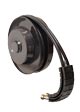
Singola porta avvolgitubo

1-fach Schlauchtrommel für Einzelschläuche, lieferbar in Linker und Rechter Ausführung, Ausgestattet mit Befestigungswinkel, selbsttätiges Aufwickeln durch permanente Federkraft.
WINKEL 1-fach Schlauchtrommel

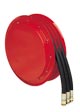
Double Port Hose Reel

Double hose reel compact serial available in Left or Right version, fixation by fastening angle, self winding by permanent spring force, for thermoplastic welded double hoses
 

WINKEL Double Port Hose Reel

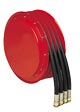
Three Port Hose Reel

Three Port Hose Reel Serie 3.19 with three single hose with bigger diameter and bigger floating rate, with additional third middle flange, ailiable in Lelft or Right version, fixation by mounting flange, self winding by permanent spring force
Four Port Hose Reel

Four port hose reel serial 4.19 for four single hoses with bigger diameter and bigger floating rate, with additional third middle flange, available in Left or Right version, fixation by mounting flange, self winding by permanent spring force.
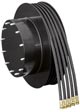
Five Port Hose Reel

Five port hose reel standard serial, for thermoplastic welded three port and two port hose, with additional middle flange, available in Left or Right version, fixation by mounting flange, self winding by permanent spring force.
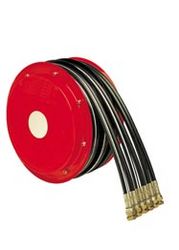
Six Port Hose Reel

Six port hose reel standard serial for three thermoplastic welded two port hose, with additional two middle flange, available in Left or Right version, fixation by mounting flange, self winding by permanent spring force.
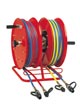
Special Port Hose Reel

More Port Hose Reel Hose: reel for rescue systems serial WRT 1 / WRT 2 for one or two twin hoses for manual winding for hose length up to 50 m compact design incl. handhold and base
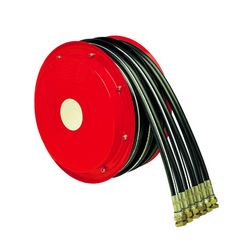
Port hose cable reel

Port Hose Cable Reel Port Hose two port hose cable reel, for two hydraulic hoses and one multi-core cable, with max. 12 electric contacts in the third hose, available in Left or Right version, fixation by mounting flange, self winding by permanent spring force
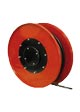
Cable reel

Cable reel serial WE 15 for conductor section of 1,5 mm2 with max. 36 electric contacts available in Left or Right version fixation by mounting flange self winding by permanent spring force

Impostazioni sulla privacy

Sul nostro sito web utilizziamo i cookie. Alcuni di questi sono necessari ed essenziali, mentre altri ci aiutano con questo sito web e comprendere e ottimizzare l'uso del sito web.
Queste impostazioni possono essere regolate in qualsiasi momento.

Maggiori informazioni sull'uso dei cookie su questo sito web possono essere trovate nella sezione Impostazioni sulla privacy.


FAST PICK LIVE Test
Book an appointment now!